

Slipping gears? Notice leaking fluid from your truck’s transmission? How about the “Check Engine” light and the power from your vehicle: Are you noticing the lights turn on, but your engine seems to be turning off, power-wise? These tell-tale signs and symptoms could indicate a transmission fault under your hood.
Certified Fleet Services here. For more than 30 years, we’ve seen truck drivers walk through our doors with the above-mentioned transmission signs and symptoms that often point to transmission issues. So, if you’re wondering whether you’ve got a transmission issue on your hands, you’ve come to the right place.
In this article, we’ll walk you through some of the most common transmission faults and problems that can occur in a diesel truck so that you can make a more informed decision about your next truck repair. Whether you’re trying to get ahead of the game with preventive maintenance to keep your truck in proper condition, or you’re experiencing an emergency that warrants a speedy mobile repair, we’ve got your back.
Let’s set you up with the top 10 transmission faults that warrant dedicated truck service.
|
1. The transmission won’t stay in gear
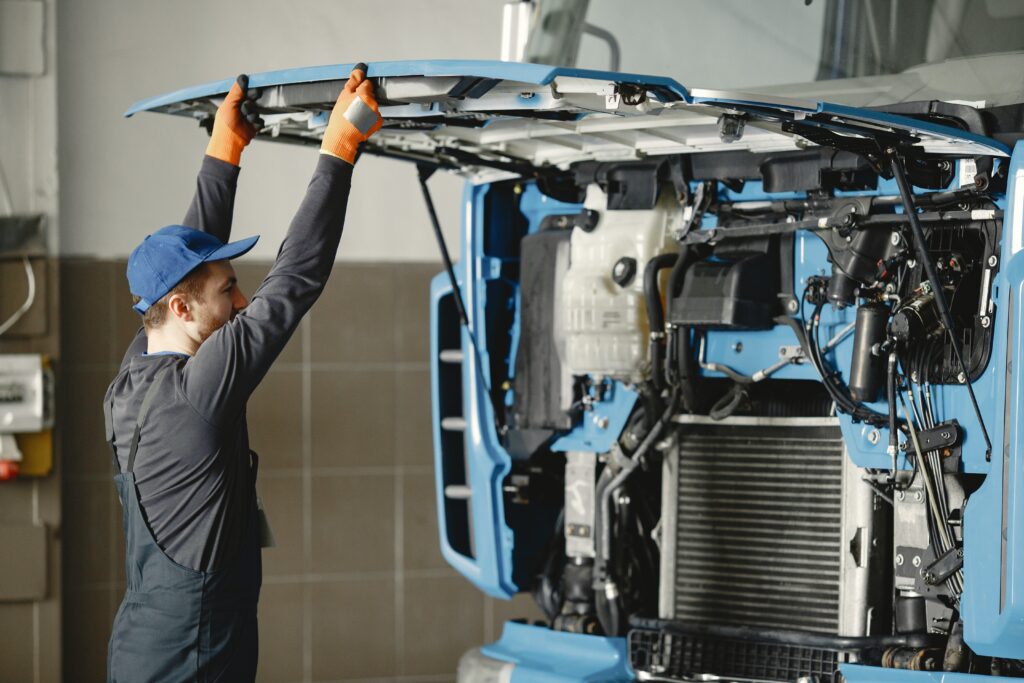
A tell-tale sign that your transmission isn’t working is if it won’t stay in gear. Interestingly, a transmission that won’t stay in gear can also indicate that the transmission has been overfilled with transmission fluid. In the case of a transmission that won’t stay in gear, it may also start to overheat.
A transmission that won’t stay in gear may need repairs in any of the following transmission-related parts:
- Shifter
- Shifter cable
- Valve body (for automatic transmissions only)
- Computer system (for newer trucks)
- And more
Nevertheless, if you notice that your transmission won’t stay in gear, you’ll want to bring it in to a truck repair facility, as a faulty transmission can pose a threat to other drivers.
2. Shifting gears may be delayed or missing altogether
In the case that your gears are working as they should, but just happen to be delayed — or you experience an inability to shift gears altogether — you could be experiencing transmission issues.
The reason for these issues could be any of the following:
- Low transmission fluid
- Leaking or contaminated transmission fluid
- Lack of preventive maintenance
- Water entering the transmission due to flooding conditions or off-road driving
While delayed shifting may not appear to be a dangerous issue, it can cause a transmission to overheat and thereby cause damage to internal components. For newer vehicles, the issue can also occur as a result of the truck’s internal computer not allowing the transmission to shift into higher gears, a topic we’ll discuss towards the end of this article.
3. The transmission is leaking fluid or is low on fluid
Sometimes, the root cause of a transmission fault lies in the fluid that powers it. If you notice red or brown fluid under the vehicle, a transmission fluid leak from cooler lines, gaskets, or seals could be the culprit.
Nevertheless, not all transmission fluid is red. As a result, we recommend bringing in your vehicle for immediate attention if you notice any fluid leaks under it, as leaks can create a fire hazard.
4. The transmission is slipping, or the engine is revving high
Another condition that can be caused by low transmission fluid, fluid contamination, water infiltrating a transmission, or wear and tear on transmission parts is when the engine revs high or the transmission slips.
Worn clutches, worn internal components, or an overused and aging transmission can often be the source of the issue.
5. Burning smells coming from the transmission
Burning smells almost always spell trouble. If you notice a fluid leak or burning smells that smell like burnt rubber, burnt electronics, or burning paper, your clutch could be burning and affecting your transmission.
Also, if you notice an unusual burning smell coming from your truck’s transmission, first check your transmission dipstick to see if you can prevent further damage from occurring. What’s more, if the dipstick indicates that no fluid leak has occurred, we recommend bringing your vehicle in for fleet and transmission service.
Doing so will ensure that further damage doesn’t occur, as well as give you peace of mind on how to care for your truck’s transmission.
6. Torque converter issues occur in the transmission

Another warning sign that can indicate a transmission fault is an issue with your vehicle’s torque converter. Most automatic transmissions use a torque converter, which helps transmit or lock mechanical power and energy into a truck to help a vehicle use and save fuel.
With time, torque converters can cause problems, like shuddering and gear slippage. Sometimes, a faulty converter can contaminate a transmission with debris, which can cause damage to a transmission.
If your transmission becomes contaminated, don’t hesitate to reach out to a diesel mechanic or tow facility to bring your vehicle to your nearest truck repair facility for speedy and dependable repair service.
7. Problems with electronics and computer models occur
Most modern vehicles now use control modules to receive their information from various sensors. Nevertheless, computer modules communicate with internal modules through a connected data network.
If sensors, modules, or network issues occur, they can cause a variety of issues that can turn on a vehicle’s transmission warning light. Therefore, many potential or perceived transmission faults can occur as a result of faulty electronics triggering a transmission’s warning light.
8. Various noises occur: buzzing, humming, or clunking
Except for the smooth sound of your engine humming down the highway, other noises like buzzing, humming, or clunking can indicate transmission problems.
The above-mentioned issue can result from any of the following:
- Bad bearings
- Planetary gear damage
- Faulty internal sealing surfaces
- Faulty seals
- Low transmission fluid (often due to leaks)
9. Various engine lights and truck part lights turn on
A transmission fault can occur if any of the following warning lights turn on:
- Check Engine light
- Transmission temperature overheat light
- Overdrive light
If you notice a malfunctioning transmission, the malfunction could be a result of any of the following issues:
- Solenoid issues
- Speed sensor problems
- A slipping transmission
The best way to troubleshoot a warning light is by researching the trouble codes to determine what the systems and circuits are indicating. Understanding the cause of the sensor turning on will help you make a more informed repair decision, whether you choose to repair your transmission yourself or bring it to a certified diesel truck repair facility.
10. Fluid valve body problems occur
A valve body is related to a transmission? Yup.
A valve body contains passages that help direct the flow of fluid through parts of the transmission. Since many modern trucks include a transmission control module and other electronics, these electronics sometimes misfire, triggering a transmission warning light to turn on.
When a transmission warning light turns on, it can indicate an issue with transmission-related parts, such as the fluid valve body. For a professional diagnosis of the cause of the issue within the transmission, we recommend consulting an ASE-certified diesel truck repair technician.
A reputable diesel truck repair technician can monitor and inspect your truck to determine which mechanical component — the fluid valve body or not — is the cause of the transmission fault. Then, the choice is up to you on whether to repair the component yourself or allow your diesel mechanic to repair it.
Bonus: Your truck has no power
This may go without saying, but if you notice that your vehicle has little power, but the engine is working well, the issue could be a result of any of the following:
- Internal transmission problems
- Faulty calipers or brake hoses causing brakes to drag
- Your vehicle’s computer could be the culprit because it has detected an issue within the engine. Your vehicle’s computer is likely protecting your engine by causing it to move slower than its full power capacity.
To resolve this issue, start by checking your truck’s vehicle codes. Once you’ve identified the issue, the choice is yours. You can bring your vehicle in for repairs or choose a do-it-yourself approach to the repair.
Certified truths: Facts about transmission faults
After 32 years (and counting!) in the diesel truck repair industry, we’ve found that the best diesel truck mechanics exhibit six star qualities:
- They own their space
- They follow a system.
- They plan their day.
- They find better ways to solve everyday issues.
- They take pride in their work.
- They have a killer attitude.
If you’re looking for a diesel truck repair technician to help with your truck’s transmission, opt for a truck repair facility that holds itself to these high standards. Some of the best truck repair facilities employ technicians with the Big Six.
🔧To learn more about what makes a great service technician, check out our co-founder, Steve Conner, describe the qualities that make a great service technician.👈🏼
Truck transmission fault occurring? Get lasting transmission repairs by Certified experts.

Because transmission faults occur for a variety of reasons, the best solution for fixing a faulty transmission is by consulting a diesel truck technician for expert support. For example, our ASE-certified diesel repair technicians have more than 30 years of experience conducting diesel repairs for trucks large and small.
If you suspect your truck’s transmission isn’t working as it should, we invite you to stop by any of our three convenient South Florida-based locations. We’d be happy to help you fix the issue and get you back up and running.
To schedule service at our Fort Myers, Sarasota, or Tampa-based locations, contact us today. We look forward to getting you back on the road again.
Certified Fleet Services: 30+ Years of Dedicated Truck Repair Service