
Truck drivers and fleet managers: A surplus of something is usually a good thing. drivers, more trucks, more work: More is usually a good thing. Not so with transmission fluid. In fact, one of the signs of overfilled transmission fluid, a major sign and result, is transmission failure.
If you’re thinking about topping up transmission fluid on your diesel truck or need repairs for an overfilled transmission, you’ve come to the right place.
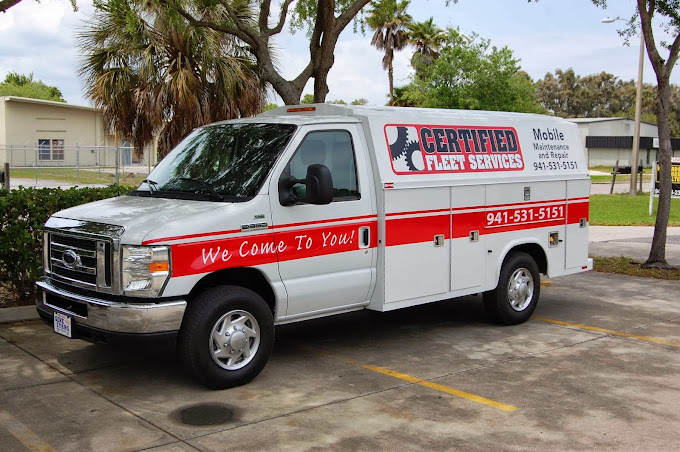
Certified Fleet Services here: For more than 25 years, we’ve been conducting repairs for diesel trucks and all equipment, diesel-related. Whether your transmission is overheating or you need help with replacing transmission fluid on a diesel truck, we’re more than happy to help.
In the meantime, to help you familiarize yourself with whether you’re experiencing or have experienced an overfilled transmission, we’ll cover the following transmission-related topics in this article:
- How automatic transmission fluid works in diesel trucks
- 5 Common signs of overfilled transmission fluid
- Why filling up just the “right” amount of fluid is essential for keeping a truck in great condition
- What happens if you don’t top up your transmission fluid to the specifications outlined in the vehicle’s manual
- What to do if you think your transmission is overheating
- Where to get help for a transmission that’s been overfilled with transmission fluid
How does automatic transmission fluid work in diesel trucks?

Just to be straight, automatic transmission fluid is more than just a viscous liquid. It services many critical functions in your truck, such as:
- Lubrication: It helps lubricate internal components to help reduce wear and tear, prevent premature damage, and keep parts fully functional.
- Generates pressure: Transmission fluid helps gears operate without excessive friction or jolts.
- Ensure seamless gear shifting: With the right automatic transmission fluid, and in the correct amount, one can shift gears without unnecessary friction.
- Helps avoid overheating: Automatic transmission fluid helps keep the temperature of a vehicle in great condition for greater longevity.
Finally, the way automatic transmission fluid works is by keeping a diesel truck’s automatic transmission lubricated, cool, and powered. The cooling and lubrication process helps power the engine to the transmission via the torque converter, creating hydraulic pressure that changes gears and keeps internal components protected.
5 Common signs of overfilled transmission fluid

Without transmission fluid, a truck’s automatic transmission wouldn’t be able to keep its components in working condition to keep it safely and smoothly moving. To better safeguard and enhance the longevity of a transmission, let’s take a closer look at five of the most common signs that an automatic transmission has been overfilled with transmission fluid.
|
1. Unreliable gear shifting
The unfortunate reality is that you may not realize that you’ve overfilled your automatic transmission with transmission fluid. Sometimes, the signs and symptoms of an overfilled transmission occur later when you’re least expecting them.
Often, an overfilled transmission fluid will manifest by presenting issues with shifting gears, such as:
- Jerking while accelerating or decelerating
- Feeling like the transmission is slipping (due to insufficient or excessive transmission fluid)
- Strange noises coming from the transmission
- Excessively high temperature under the hood of the vehicle
- Sudden or unpredictable shifts due to improper hydraulic pressure
While each of these warning signs can indicate other issues with the vehicle, they often indicate excessive fluid levels in the automatic transmission.
2. Overheating and/or pressure within the transmission and/or engine
If your transmission smells like it’s burning, first of all, check it to make sure it’s not.😰
But, if it’s not burning, the burning smell can indicate that the fluid is overheating, losing its chemical properties, and potentially in excess in your transmission and/or engine.
Since transmission fluid often acts as a coolant for the system, when the transmission is overfilled with transmission fluid, it can’t always process excess heat inside the transmission. The result is a transmission that overheats, which can lead to severe damage.
3. Damage to seals, gaskets, and clutches
Speaking of damage, adding too much fluid to a transmission system, if gone unaddressed, can affect internal components like clutches, seals, and gaskets.
If automatic transmission fluid isn’t topped up at the proper levels, the clutches, in particular, can start slipping due to not receiving enough hydraulic pressure to engage. As hydraulic pressure reduces, friction can increase.
When friction increases, heat and wear can damage transmission parts. When overheating becomes a regular occurrence, soft parts like seals, gaskets, and o-rings can be compromised.
If soft parts like seals and gaskets become damaged, leaks can occur, which can worsen lubrication and cooling in the vehicle. As a result, additional internal damage can occur.
All the more reason to check your transmission for excessive fluid.
4. Fluid leaks
As mentioned earlier, since high pressure from excess fluid can affect the integrity of seals and gaskets, leaks can occur. If you notice fluid leaks, you could be experiencing an overfilled transmission.
The irony, of course, is that overfilling causes leaks, the very issue needing to be resolved in the first place.
5. Automatic transmission fluid levels produce foam
This is an important one. When automatic transmission fluid comes into contact with parts that are moving at high speeds, instead of circulating in a smooth fashion, the fluid churns inside the vehicle.
The fluid then mixes with the air, and as a result, a foamy fluid can occur. Nevertheless, foamy fluid doesn’t lubricate, cool, or transmit hydraulic pressure well.
Therefore, when automatic transmission fluid mixes with air and becomes bubbly, the following can occur:
- Hydraulic pressure can be compromised, resulting in inconsistent gear shifting.
- Wear and tear can increase due to poor lubrication
- Your vehicle’s systems can overheat
- Internal damage can occur with key components like gears and seals.
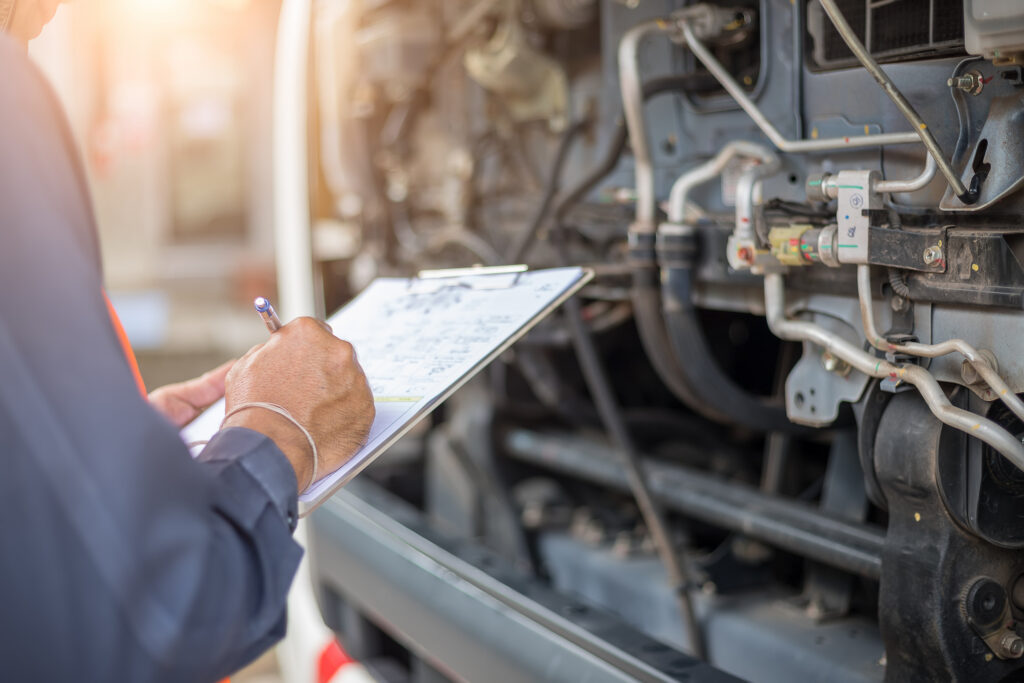
If you suspect your transmission is overfilled with fluid, we always recommend bringing it to a diesel repair technician. A diesel repair tech can inspect all moving parts using the latest technology to pinpoint the source of the issue.
Plus, they’ll have you in and out fast, job completed and done right in no time. Consider bringing your vehicle to a diesel specialist to help you remove the excess fluid and reduce the chance of costly repairs.
Why filling up just the “right” amount of fluid is essential

We can’t emphasize enough the importance of filling up your truck with the correct fluid level. One way to check that you’ve filled up the right amount of transmission fluid is to check the transmission dipstick.
To do so, park your vehicle on a flat surface. Keep the engine running, and check whether the fluid is above a small mark on the dipstick that reads “Full”.
If you need help finding or removing the dipstick, don’t hesitate to consult your owner’s manual for specific instructions and detailed guidance.
Filling up just the “right” amount of fluid isn’t just a nicety. It’s essential to prevent unnecessary wear and tear on seals, gaskets, and other internal components. If you need help finding the “just-right” amount of transmission fluid for your vehicle, you can always reach out to an in-shop or mobile repair team for just-in-time support and troubleshooting.
How to prevent your transmission from overheating
Now, let’s just say you think your transmission is overheating. Here’s what you can do:
- Check your owner’s manual to double-check the specific transmission fluid capacity of your vehicle.
- Reference fluid levels using the transmission dipstick and by following the manufacturer’s guidelines for filling up your truck’s fluid.
- Add fluid a little at a time to avoid filling up your transmission with excessive fluid.
- If needed, contact a professional diesel mechanic to complete the task.
And, if you notice that you’ve overfilled your transmission, continue to use the above guidelines for reference. Use the dipstick to confirm whether you’ve overfilled the vehicle with fluid. Check for frothy or aerated fluid, and if it’s present, drain the fluid, check for leaks, and continue to keep an eye on how your vehicle behaves to ensure the issue doesn’t become worse.
Did you know?
Did you know that you can have your transmission serviced from the road instead of bringing it to a shop?
👉🏼Check out this reel from our Instagram page to learn how mobile repairs work — especially for fluid top-offs.
Where to get help in Florida when your transmission is overfilled

If your transmission fluid is foaming up, or if you suspect your transmission fluid is overfilled in your transmission system, we can help.
Our Certified Fleet Services ASE-certified diesel repair technicians can come to you, toolkit ready to resolve the issue fast. Excessive transmission fluid can cause more harm than good, and while a little extra fluid may seem harmless at first, it can lead to serious issues if unaddressed.
If you’re looking for a well-established and reliable diesel repair technician with decades of experience under their toolbelts, look no further. Certified Fleet is here to get you up and running fast so you can get back to doing what you do best.
To schedule a service intake, contact us today.