

Tiny little explosions: That’s what spark plugs create inside the engine of a vehicle. Bet you didn’t know that spark plugs’ purpose is to ignite the air-fuel mixture that creates small explosions that set off a truck’s pistons to start moving. Those pistons generate the power for your vehicle. So, if you’ve noticed your engine hasn’t been working lately, you may be wondering, “Can spark plugs cause overheating? Do I have bad spark plugs?”
If you’re wondering whether spark plugs are the cause of your engine’s issues, or if you’re just curious about whether bad spark plugs can cause overheating, or signs that it’s time to replace your spark plugs, you’ve come to the right place.
We’re Certified Fleet Services, a South Florida-based diesel truck shop of ASE-certified, expert diesel truck technicians. For more than 30 years, we’ve helped South Floridians take better care of their engines, so you bet we’ve seen our share of bad spark plugs.
Whether you live in South Florida or not, we want to offer you help with your truck. In this article, we’ll give you a summary of what we’ve seen so you can make a more informed decision about your spark plugs and engine, including the causes, signs, and preventive maintenance measures you can take to avoid an overheating engine or worse yet, non-compliance with DOT officers.
Grab your favorite note-taking tool, because here’s what you need to know about spark plugs causing an engine to overheat.
10 Ways faulty or failing spark plugs can overheat
|
1. The ignition timing is off

Occasionally, bad spark plugs can cause overheating if the spark plug fires at high temperatures. When spark plugs fire at higher temperatures, the engine can risk overheating.
One way to resolve this issue is by tuning your engine’s ignition system according to manufacturer specifications. The timing of the spark is key to maintaining optimal engine performance, so checking for the intake pressure, the temperature of the engine, and the condition of your spark plugs can help you make more informed decisions to support the health of your engine and vehicle.
2. The load that the engine bears is excessive
Say you’re operating your vehicle in the middle of the desert and carrying more weight than your truck can typically handle. The excessive load can cause a great deal of stress on the engine, causing the spark plugs to become hotter than they should ideally be.
If an engine is bearing a larger load than is standard, your spark plugs may heat up at higher temperatures and cause engine inefficiencies that can lead to issues later down the road. Your best bet is to invest in durable spark plugs that are designed to handle larger than average loads.
3. Prolonged vehicle idling or making many short trips
Spark plugs can become compromised if a vehicle is left idling or takes short trips, rather than longer, extended trips. The reason is that engines need to operate at a temperature that allows them to function well.
When a vehicle takes short trips or is left idling, the engine isn’t able to reach an optimal temperature. When an engine isn’t able to reach the right temperature, carbon can build up.
Carbon buildup often looks like debris or black, soot-like spots around the tips of the spark plugs. Sometimes, to fix the issue, you just need to clean off the dirty spark plugs with a cleaner and an abrasive to ensure they’re working at optimal capacity. What’s more, you’ll want to clean the spark plug gap, the distance between the center electrode and side electrode on a spark plug.
Other ways to ensure your spark plugs don’t go bad or cause overheating is to conduct regular oil changes and air filter replacements to help reduce carbon deposits. Drivers can minimize buildup by taking longer trips or allowing an engine to warm up before driving.
4. Contamination of oil

A truck leaking oil is cause for concern. But, oil leaks are especially harmful for spark plugs and an engine.
For example, oil leaking into the combustion chamber can create abnormal burning, which can create excess heat. And excess heat means damage to spark plugs.
You can tell that your plugs are contaminated with oil if you notice black spots on the plugs. If you ever feel an oil leak or contamination has occurred, consider reaching out to a mobile truck repair team who can drive to your location and fix the issue pronto.
5. Air filters are blocked and/or dirty
Spark plug overheating can occur if air filters are blocked or dirty. Why?
Because blocked or dirty air filters can restrict airflow and disrupt the engine’s air-fuel mixture. When a rich air-fuel mixture occurs, temperatures can rise.
And when temperatures rise, the combustion process can be impacted, which can make a truck less fuel efficient and strain its engine. One way you can ensure that your truck’s spark plugs don’t cause an engine to overheat is to replace the air filters according to the intervals stated in your truck owner’s manual.
6. The fuel or additives are low quality
Low-quality anything, let alone fuel or fuel additives, can affect a truck. Specifically, low-quality fuel with additives that aren’t compatible with a particular truck’s needs can cause incomplete combustion, which can increase heat inside the engine.
As a result, this heat can stress spark plugs, causing them to overheat. If you suspect your fuel or fuel additives are contributing to your spark plug malfunctions, we recommend choosing high-octane, clean fuels that protect your spark plugs and engine.
7. Lack of preventive maintenance on the engine’s cooling system
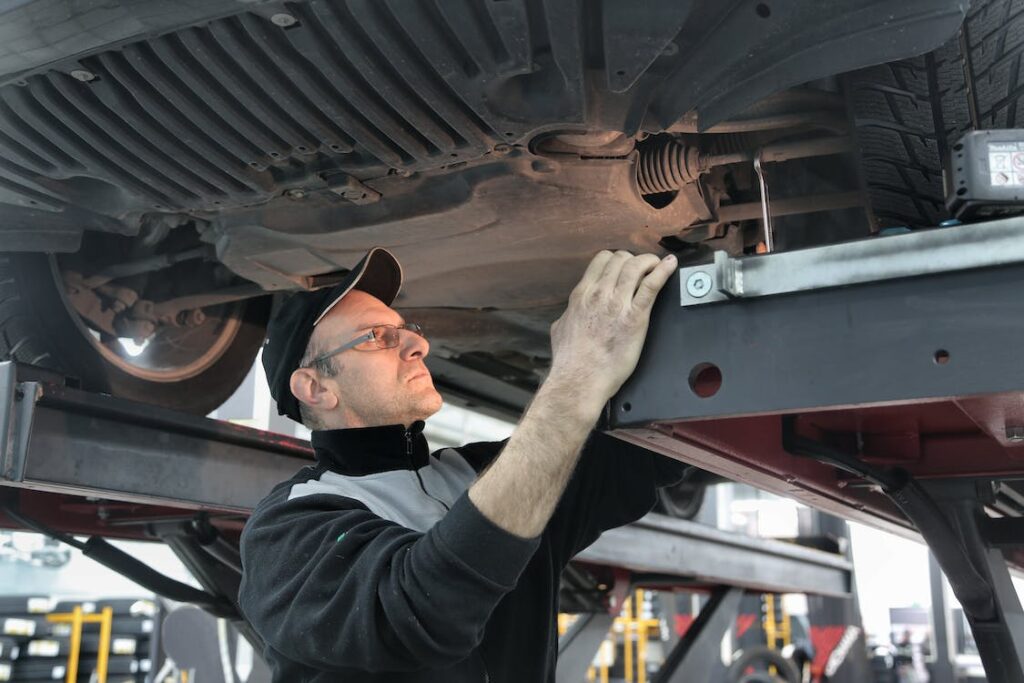
The engine’s cooling system is key to ensuring your engine doesn’t, well, overheat. As such, monitoring coolant levels, the radiator, and water pump are key to keeping engine temperatures — and spark plugs — under control.
One way to ensure your engine’s cooling system is in proper condition is to inspect engine components, like hoses and clamps, for leaks. Another option is to bring your vehicle in for preventive maintenance where a diesel truck technician will be assigned to manage your truck and help ensure it stays in tip-top shape.
8. The spark plug’s heat range is off
Overheating can happen if the spark plug’s heat range is out of sync with the vehicle’s engine operation.
- When spark plugs are excessively hot: A sudden loss of engine power, strange noises, and engine hesitation can occur.
- When spark plugs are excessively cold: Spark plugs can develop oil fouling, or oily deposits on the insulator tip and electrodes. The result is spark plugs misfiring, which can hinder engine performance.
A sure-fire way to ensure your spark plugs don’t cause overheating is to inspect and replace them about every 30,000 to 100,000 miles for pickup trucks, or according to your truck’s manufacturer’s recommendations.
9. The gap between the electrodes on your spark plugs is off
The spark plug gap, as it’s called, is designed to help maximize the combustion process on your truck. If the gap is narrow or wide, the spark plugs can misfire or cause engine issues.
At the very worst, if left unchecked, the spark plugs can burn.
One way to ensure the correct positioning and space when installing spark plugs is to use a tool that helps set the right space between the plugs. For example, a feeler gauge can give you the precise measurements you need to set the right distance between spark plugs.
Doing so can help you lessen the amount and severity of harm that can potentially occur if the electrodes on the spark plugs are off-base.
10. Improper spark plug materials (particularly metals)

Little known fact: Spark plugs are made with different materials, and different spark plugs are designed for different engines.
- Copper
- Nickel alloy
- Iridium
- Platinum
These materials are some of the most common materials used with spark plugs. In fact, using spark plugs that are designed with the wrong materials can cause overheating.
Before replacing or purchasing spark plugs for a vehicle, make sure to familiarize yourself so that you are using the right materials for your vehicle. If needed, feel free to reach out to a diesel repair specialist, as they have the knowledge to provide you with the right spark plugs for your needs.
Certified truths: Facts about spark plugs

Did you know that spark plugs aren’t the only component that can overheat? Running low on fuel can overheat your fuel injectors, allowing air into the system, which can cause more damage to your engine.
To learn more about the impact that components like spark plugs and fuel can have on a diesel truck, check out our co-founder, Steve Conner, explain the process in detail here on our Instagram page.👈🏼
Power up your engine by getting detailed maintenance for your spark plugs

If you think your spark plugs have been compromised by the road, or if you experience difficulty with your engine as you drive, the issue could be with your spark plugs.
Chatting with a diesel truck repair technician is crucial. They have the knowledge, experience, tools, and expertise to help you address the source of your truck engine problems.
And, if you’re in South Florida, stop by any of our three convenient locations in Tampa, Fort Myers, or Sarasota. Our technicians have more than 30 years of experience working with diesel trucks of all shapes and sizes.
To schedule service with one of our knowledgeable service technicians, contact us today.
Frequently asked questions (FAQ) about spark plugs
1. What symptoms do bad spark plugs cause?
Bad spark plugs can cause any of the following:
- Engine misfires
- Rough idles
- Hard starting
- Sluggish acceleration
- Poor fuel economy
- Check engine light turning on
- Lurching or jerking to one side
2. What happens if you keep driving with a bad spark plug?
If you continue to drive with bad spark plugs, even after you’ve discovered they’re faulty, failing, or no longer working, you may experience loss of power or slow and heavy acceleration when depressing the gas pedal to accelerate.
3. What do bad spark plugs look like?
Signs of a bad or burned spark plug often include the following:
- Black, dry soot on the electrodes
- Oil deposits on the electrodes and insulator tip
- Wet spark plugs (as a result of engine flooding)
- Flattened or broken spark plugs
- Blisters on the insulator tip
- Melted electrodes
- White deposits
4. How long do spark plugs last?
Different materials have different shelf lives. For example, copper spark plugs have a shelf life of about 20,000 miles, platinum has a shelf life of about 50,000-100,000 miles, and iridium-based spark plugs can last 75,000-100,000 miles or more.
Certified Fleet Services: We Get You Back on the Road Faster