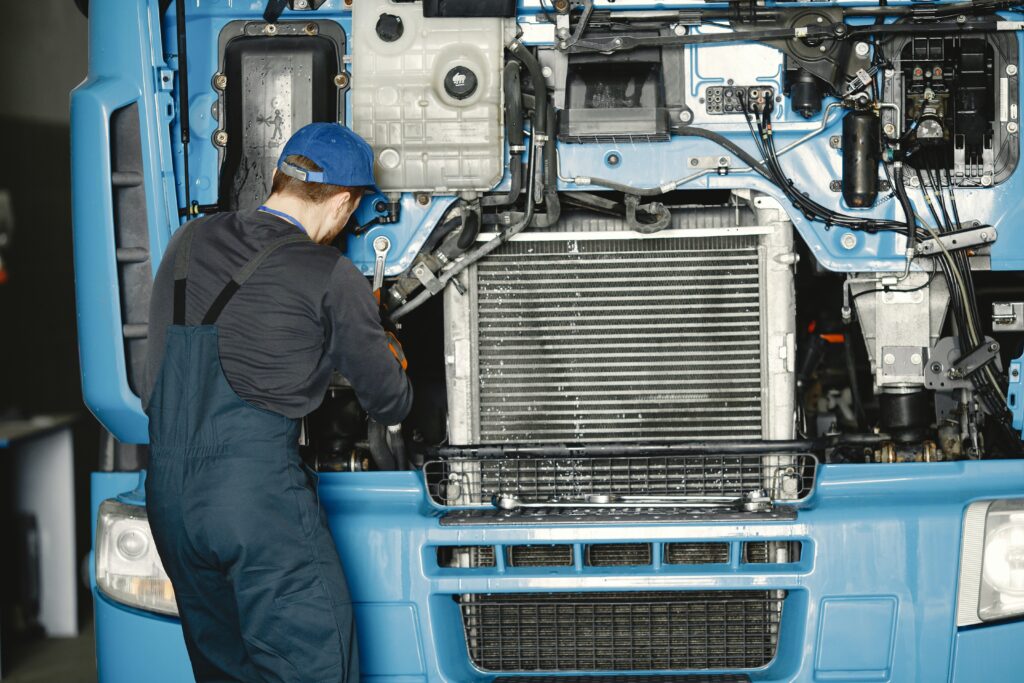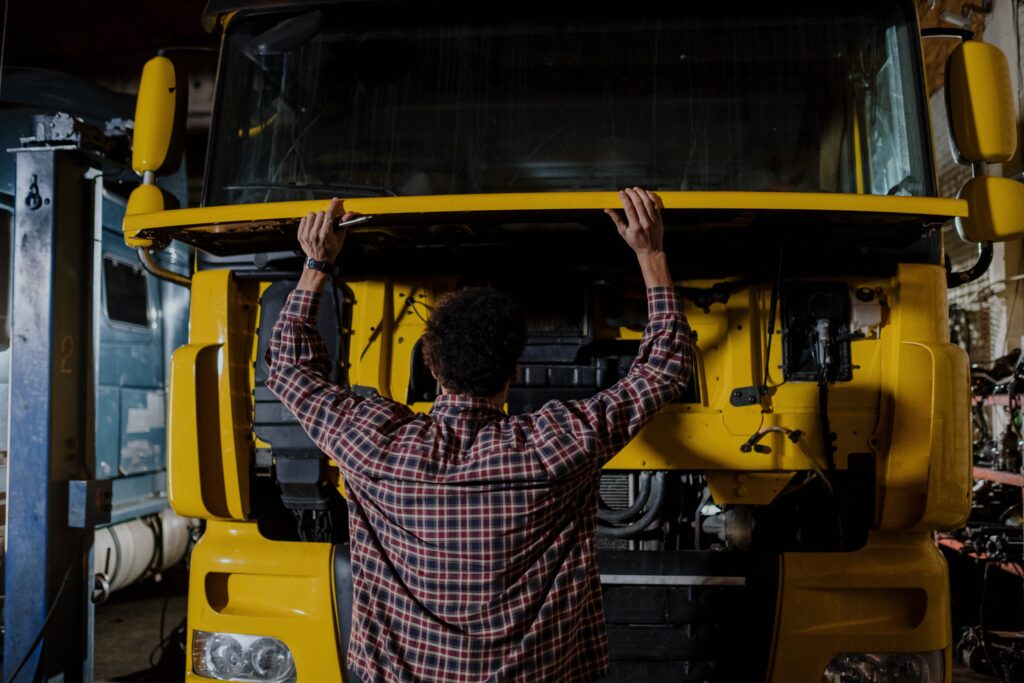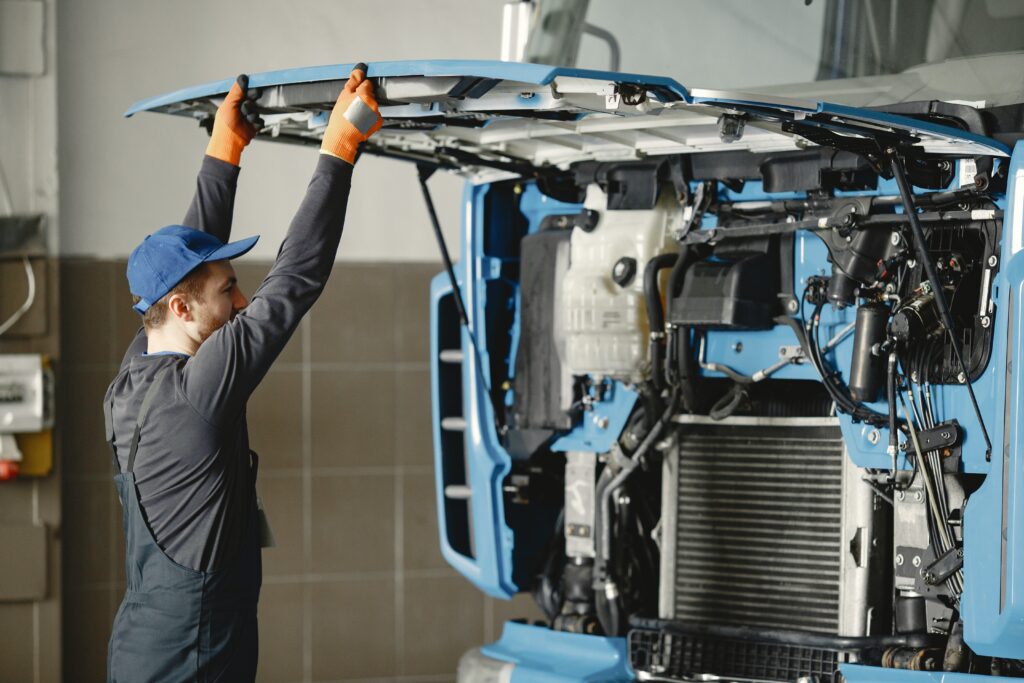

Air coming into a diesel engine can cause serious problems. Diesel being prevented from reaching the fuel injectors is one such problem. “Bleeding” a diesel engine of its air is crucial to helping it start and stay powered up.
But before you attempt to bleed air from the fuel system, you need to figure out how it entered the fuel system so that air doesn’t re-enter the fuel system after you’ve completed the bleeding process.
If you’re wondering how to bleed air out of your diesel engine, or even where the bleed screw is on a diesel engine, you’ve come to the right place.
Our diesel mechanics will walk you through our five-step process for resolving the issue of air in your diesel engine and fuel system. Let’s get started.
5 steps needed to bleed air from a diesel fuel system

|
1. Come prepared with all necessary tools and equipment
Before we get hungry for blood, er, bleeding the engine😄, we need to gather the tools and materials to get the job done right. What you’ll need for the job is:
- Safety goggles
- Clean rags and towels
- Diesel fuel
- A wrench and socket
- A bleeder screw key or a wrench
Each tool plays a special role in the process, so be prepared to have them ready at a moment’s notice.👍🏼
2. Identify fuel system components and leaks, & prepare them for bleeding
In step two, you should be able to identify the key components of your diesel engine’s fuel system. These components include the following:
- Fuel tank
- Fuel lines
- Fuel filters
- Fuel pumps
- Fuel injectors
In this step, we ask that you familiarize yourself with your engine’s fuel system layout, including all its connection points. We’re about to begin the bleeding process.
You’ll need to turn off the engine, remove the ignition key, locate the fuel filter, and determine whether it includes a built-in bleeder screw.
3. Begin the bleeding process at the fuel filters
If your fuel filter has a bleeder screw, you’ll begin the bleeding process at the fuel filters as follows:
- Position a clean rag or towel beneath the bleeder screw in case any fuel spills.
- Use a wrench or bleeder screw key to loosen the screw slowly and steadily.
- You should find a mixture of air and fuel emitted from the loose screw.
- Allow the air and fuel to bleed until only fuel comes from the screw. The fuel should be free of air bubbles.
- Tighten the bleeder screw to finish the job.
If you think your fuel filter doesn’t come with a bleeder screw, you’ll want to bleed the fuel system at the fuel injectors. We’ll cover what to do for bleeding fuel injectors in the next section.
4. Check for extra air at fuel injectors
If your fuel filter doesn’t have a bleeder screw, or if you think air remains in the system, we recommend bleeding the fuel system at the injectors. Here’s what you need to do to bleed your fuel injectors of extra air:
- Start with the cylinder closest to the fuel pump.
- Use a wrench or socket set to loosen fuel line connection points.
- Allow the air to escape, and be cautious about fuel or oil leaks.
- Repeat the above-mentioned steps for the cylinder and fuel injector by checking the fuel injector closest to the fuel pump and then moving your way from there.
After completing the bleeding process, try to start the engine. If it starts, give it a few minutes to idle.
During this time, you should look for rough idles or reduced power. As the engine idles, take one last look and ensure no leaks occur.
You’ll know that you still have air in your truck’s diesel fuel system if your engine doesn’t start. If your vehicle doesn’t start, repeat the bleeding process at the fuel filters and fuel injectors.
Note: We always recommend bringing your vehicle to a diesel truck repair technician. They’re equipped with the knowledge and experience to guide you through the process and help you promptly resolve the issue.
5. Clean up and finish last preventive maintenance
Once you’ve bled the air from your diesel fuel system, all that’s left is to clean up and finish any last preventive maintenance. Before you lower your vehicle from its frame rack or lift (assuming it’s on a raised platform), you need to dispose of spilled fuel, clean the space, and return tools to their original space.
If you experience any challenges along the way, you can always reach out to a mobile or in-shop repair team. They can get the job done fast so you can get back to doing what you do best.
Certified fact (or fiction🤔?)

Fact or fiction: Running your diesel truck low on fuel won’t hurt your injector pump, fuel lines, or other diesel engine components.
🚫 Fiction! The truth?
Running your diesel truck low on fuel can allow air in the fuel system, overheat your injectors, and lead to expensive damage.💰
Remember, your injectors rely on diesel for lubrication. Keep that tank up, and keep your truck working.⛽💥
For more fun truck maintenance facts, check out our Instagram page on mechanic myth busters.
Need help working with the bleed screw or powering your engine?
For many people who love do-it-yourself projects, bleeding air from a diesel fuel system isn’t rocket science. However, doing so can get messy fast, that is, if you’re not prepared for the job.
And, if you’re not familiar with the procedure or don’t have the extra time and resources to devote to the task, we recommend reaching out to a local truck repair service technician.
Why? Because:
- Diesel truck mechanics have years of experience working on a variety of diesel engines
- They’re trained and educated in the latest repair techniques for the latest diesel engines
- They’re equipped with tools and technology to streamline the repair process
If you live in Florida and need help bleeding your engine, you’re more than welcome to bring it to our repair facility. Our ASE-certified diesel truck repair technicians have more than 25 years of experience fixing and repairing diesel trucks.
If you’re looking for a dependable truck repair team that’s committed to keeping your vehicle running long and strong, get in contact with us today. We’d be more than happy to help.
Until then, stay safe, and keep on trucking.
Certified Fleet Services: Getting You Up and Running Faster