
Every 5,000 to 7,000 miles or 250 to 500 hours, depending on the truck: that’s how often you should change oil on a diesel truck. But the interval for a diesel truck oil change depends on several caveats, such as how long the vehicle is used, how large the vehicle is, and more.
But the devil is in the details.
Change your oil too soon, and you might shell out more money for unnecessary work. Wait too long, and you run the risk of needing an engine replacement or worse.
“So, how do you know what to look for when deciding when to change oil on a diesel truck?” you might be thinking. We have the answers for you here.
If you’re looking for information about how often to change oil for diesel trucks, you’ve come to the right place.
In this article, we’ll discuss:
- Why oil changes are a necessity for diesel trucks
- Types of frequency intervals on which to base diesel truck oil changes
- Factors that affect the need for oil changes
- Best practices and key considerations for changing oil on diesel trucks
- A few facts about diesel truck oil changes for heavy-duty trucks and vehicles
- Where to find a reputable diesel truck repair company to help you with an oil change
Table: Oil changes for diesel trucks
|
Truck type |
How often to change oil (whichever comes first) |
| Diesel truck |
|
| Semi truck |
|
Why are oil changes important for diesel trucks?

Conducting an oil change on a diesel truck is essential. Doing so ensures the health and longevity of a vehicle.
But more importantly, proper oil change intervals can impact how efficient the truck is, as well as how it performs on the road. Without proper lubrication via diesel truck oil, friction increases.
In fact, oil is essential, as it helps cool the engine and remove contaminants from it. With oil changes, you can improve fuel efficiency, enjoy longer engine life, better engine performance, and reduced vehicle emissions.
All of these benefits — and just for changing a few gallons of oil under the hood. Speaking of changing oil, let’s take a look at how to understand when to change oil on a truck.
Oil change frequency types: engine hours and miles
The most common intervals for changing oil are based on the following:
- The number of engine hours accrued since the last oil change
- The number of miles driven since the last oil change
“Is one better than the other?” We’re often asked. Nope.
However, choosing the right oil change interval depends on answers to these questions:
- Is the truck used for tasks that require a great deal of sitting and idle time?
- Does the truck drive in stop-and-go traffic, or is it used mostly for freeway driving?
- Does the truck work in extreme heat?
- How about the load size? Does the truck operate with loads that need to be driven at increased revolutions per minute (RPM)?
Using engine hours as your interval of choice is often appropriate for trucks that idle a great deal, operate at slower speeds, or brake often. The downside is that calculating the number of hours driven can be a bit more challenging, since most trucks don’t display engine hours driven as often as miles driven for oil change intervals.
Nevertheless, keeping track of when to do an oil change is based on how many miles were driven from the first oil change interval to the next.
So, how many miles do you need to drive before doing an oil change? The answer depends on the manufacturer’s recommendations and other key factors, which we’ll discuss below.
Factors affecting oil change intervals
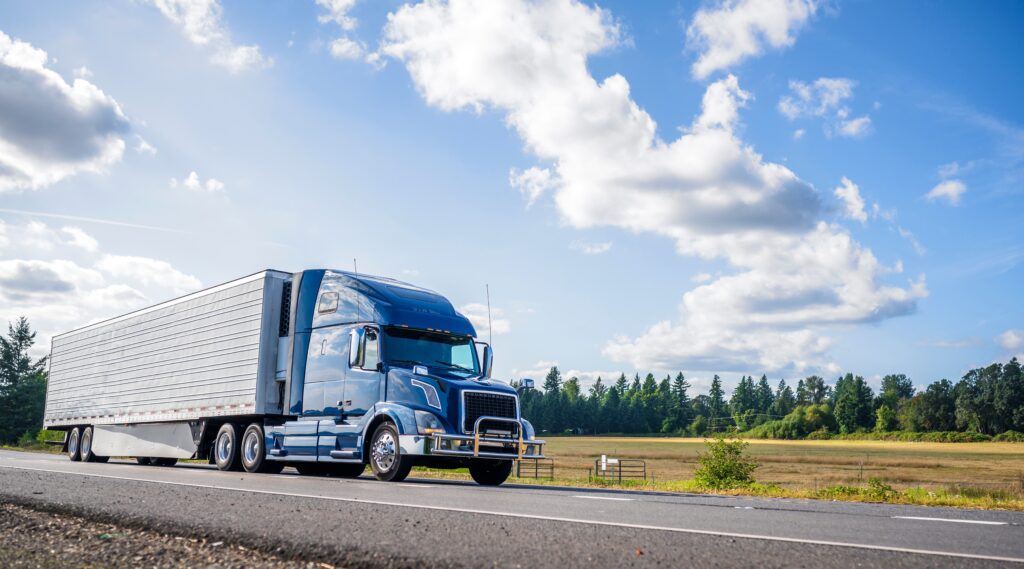
Most manufacturers and owners’ manuals state that oil should be changed every 5,000 to 7,000 miles on a diesel truck. For trucks that aren’t used as often, you can change oil every 10,000 miles.
If using engine hours as the interval of choice for understanding when to conduct a diesel oil change, most intervals vary from 250 to 500 hours. With that being said, some situations may need more frequent changes, and some may be less.
For example, some fleet owners change their diesel trucks’ oil every 1,000 hours. If you tow heavy loads, drive in extreme temperatures, or idle for long periods of time, you might change your truck’s oil more frequently.
What’s more, for heavy-duty diesel trucks, like semi-trucks and tractor trailers, oil change intervals are much larger. These vehicles don’t need an oil change as often.
Most semi trucks and tractor-trailers only need an oil change every 25,000 miles. In fact, some well-maintained trucks can go up to 50,000 miles without needing an oil change.
The reason for the longer interval is that larger diesel trucks tend to have larger oil capacities, higher-quality filtration systems, and more consistent operating conditions.
Best practices and key considerations for changing oil on diesel trucks

So, what’s most important to keep in mind when conducting timely oil changes on diesel trucks? To ensure optimal performance and maximize the benefits of your oil change, consider the following five best practices:
- Follow manufacturer recommendations: If you’re wondering how to conduct an oil change for your diesel truck, the best place to look is your owner’s manual. It includes specific instructions on oil change intervals and oil types that are most beneficial for your vehicle.
- Use top-quality oil: Premium synthetic oils tend to provide better protection than regular oil. Investing in premium oil can help maintain the health and longevity of your engine.
- Establish safe driving on your vehicle: If you tow heavy loads or drive in severe conditions, expect to bring your vehicle in for professional service and oil changes more often.
- Conduct an oil analysis: Checking your oil to determine its consistency and condition is key to ensuring a longer-lasting, better-performing truck.
- Regular preventive maintenance: Bringing your truck to a licensed diesel repair shop will help you inspect other key areas of your truck, as well as dispose of old oil in a safe, efficient manner.
While not an exhaustive list, the following tips are a solid place to start when considering how to keep your diesel truck in peak condition.
Certified fact #4:
Did you know that unplanned downtime causes fleets to lose $480 to $760 per vehicle, per day, when a truck is off the road? That’s a ton of time and money wasted, and it’s the last thing we want to happen to you and your fleet.
Keep your vehicle road-ready always, by staying ahead with regular service. To learn more about how to prevent financial loss and to keep your truck in shape, check out our Instagram page here.
What happens if you neglect to do an oil change?

So, let’s say you neglect to do an oil change or regular oil analysis. What happens then?
Besides engine damage resulting from increased friction due to lack of lubrication, old, contaminated oil can cause the following on a truck.
- Fuel efficiency issues: Dirty oil can make an engine exert more work with less output, all while consuming more fuel.
- Decreased performance: When oil ages, it becomes less effective at cooling and cleaning a diesel engine. A diesel engine that doesn’t work at its best can lead to reduced performance.
- Expensive repairs: Lapsing on oil changes can result in engine problems, potential repairs, and even an engine replacement.
By investing the time to change your diesel engine’s oil and oil filter, coupled with regular preventive maintenance and inspections, you can keep your vehicle running in tip-top shape and ready for whatever the road throws your way.
Need an oil change for your diesel truck?
As a general rule of thumb, diesel trucks need oil changes every 5,000 to 7,000 miles or every 250-350 engine hours. With no sign of slowing down, the diesel engine oil market is poised to continue to grow (DataIntelo.com, 2025), so you’ll have choices for where you get your next conventional oil change.
While checking the oil level under your diesel vehicle’s hood, consider the alternative. Lapsing on checking your oil levels can result in expensive repairs and increased downtime. A little proactive maintenance can keep your diesel truck running for years to come.
If you’re looking for a reliable diesel truck repair shop in Florida, we’ve got your back. We operate three world-class diesel truck repair shops in Sarasota, Fort Myers, and Tampa Bay, Florida.
Need an oil change for your truck? Come on down to our shop, or better yet, schedule a mobile truck repair appointment, and we’ll come to you.
To schedule an oil change with our ASE-certified mechanics, contact us today.
Certified Fleet Services: Top-Quality Oil Changes and Truck Repairs for Over 25 Years